

Face Serum: Benefits, Types, How to Choose & How to Use It
A face serum is a targeted skincare product designed to address specific skin concerns such as pigmentation, dark spots, dullness, dehydration, uneven skin tone, acne marks, and visible signs of aging. Serums are generally lightweight and can be layered with other skincare products, making them a popular addition to daily skincare routines.
However, choosing the right serum is not simply about finding the product described as the “best face serum.” The right choice depends on your skin type, primary concern, ingredients, and how the serum fits into your existing routine.
What Is a Face Serum?
A face serum is a skincare formulation designed to deliver selected active or supporting ingredients to the skin. Different serums are formulated for different purposes, which is why there are products such as brightening face serums, niacinamide serums, vitamin C serums, hydrating serums, and pigmentation-focused serums.
Compared with heavier creams, many serums have lightweight textures that make them easy to apply after cleansing and before moisturizing.
The most suitable serum depends on what you want your skincare routine to focus on. For example, someone concerned about dark spots may look for a serum formulated for pigmentation, while someone experiencing dehydration may prefer a hydrating formula.
What Are the Benefits of Using a Face Serum?
1. Provides Targeted Skincare
One of the main benefits of a face serum is targeted care. Instead of choosing a single product for every concern, you can select a formulation designed around a particular skincare goal.
Depending on the ingredients, a serum may be used to support the appearance of:
-
Dark spots
-
Pigmentation
-
Acne marks
-
Uneven skin tone
-
Dullness
-
Dehydration
-
Uneven texture
-
Visible signs of aging
This makes serums useful for people who want to build a more focused skincare routine.
2. Lightweight and Easy to Layer
Many face serums have lightweight textures and are designed to be used underneath moisturizer. This allows them to fit easily into both simple and multi-step skincare routines.
A basic routine can include a cleanser, serum, moisturizer, and sunscreen during the daytime.
3. Can Support a More Even-Looking Skin Tone
Serums formulated for brightening or pigmentation can be used as part of a routine focused on improving the appearance of uneven skin tone and dark spots.
For people searching for a face serum for glowing skin, it is important to understand that a healthy-looking glow usually comes from consistent skincare, adequate hydration, and protection from environmental exposure rather than from one product alone.
4. Can Support Hydrated-Looking Skin
Some serums are specifically formulated to support skin hydration. A face serum for dry skin may focus on ingredients that help the skin retain moisture and feel more comfortable.
Hydrating products can also be useful for dehydrated skin, which may feel tight or appear dull even when the skin is not naturally dry.
5. Can Complement an Anti-Aging Routine
An anti aging face serum may be formulated around ingredients that target the appearance of fine lines, uneven texture, dullness, or loss of firmness.
Because active ingredients vary considerably between products, it is important to check the formulation and follow its recommended usage rather than assuming every anti-aging serum works in the same way.
Different Types of Face Serums
There is no single “best face serum” for everyone. Different formulations serve different purposes.
Brightening Face Serum
A brightening face serum is generally used to improve the appearance of dullness and uneven skin tone. Brightening products may contain ingredients selected to support a more radiant-looking complexion.
Serum for Pigmentation and Dark Spots
A serum for pigmentation or face serum for dark spots is designed around concerns related to uneven pigmentation and visible discoloration.
If dark spots are the main concern, look for a product specifically formulated for pigmentation rather than choosing a serum simply because it is marketed as a glow product.
Vitamin C Serum
Vitamin C serum is widely used in skincare routines focused on brightening and antioxidant support. Different vitamin C formulations can vary in strength, stability, and suitability for different skin types.
People searching for the best vitamin C serum in India should compare the actual formulation, ingredient concentration where disclosed, packaging, usage instructions, and suitability for their skin rather than relying only on the word “best.”
Niacinamide Serum
A niacinamide face serum contains niacinamide, a form of vitamin B3 commonly used in skincare. It can be included in routines focused on concerns such as uneven tone, excess oil, and the appearance of pores.
A niacinamide serum for oily skin may be particularly relevant for people looking for lightweight skincare while addressing excess oil and uneven-looking skin.
Serum for Acne Marks
A serum for acne marks is typically chosen to support the appearance of post-acne discoloration or uneven skin tone.
It is important to distinguish acne marks from active acne or deeper acne scars because these concerns may require different approaches.
Which Face Serum Is Right for Your Skin Type?
Your skin type can help narrow down your choices, but the specific concern you want to address is equally important.
Face Serum for Dry Skin
If your skin frequently feels dry or tight, look for a serum that supports hydration and is comfortable to layer under a moisturizer.
A hydrating serum can be followed by a suitable moisturizer to help maintain skin comfort.
Face Serum for Oily Skin
For oily skin, lightweight and non-greasy formulations may feel more comfortable. A niacinamide serum for oily skin is one option people commonly consider when building a routine around oil-related concerns.
Face Serum for Combination Skin
Combination skin can have both oily and dry areas. A lightweight serum may be easier to incorporate without making already-oily areas feel unnecessarily heavy.
Face Serum for Sensitive Skin
If you have sensitive skin, choose a simple formulation and introduce new products gradually. Avoid ingredients that you already know cause irritation.
Patch testing a new product can also be a useful precaution.
Face Serum for Acne-Prone Skin
If your skin is acne-prone, consider lightweight formulations and check the complete ingredient list. A serum should complement, rather than unnecessarily complicate, the rest of your routine.
If you have persistent or severe acne, professional dermatological advice may be appropriate.
How to Use Face Serum in a Skincare Routine
Using a serum correctly does not need to be complicated.
A simple daytime routine can be:
Cleanser → Face Serum → Moisturizer → Sunscreen
After cleansing, apply the serum according to the product's instructions. Give it a moment to settle and then apply moisturizer.
During the daytime, sunscreen should be the final skincare step before makeup or other cosmetic products.
If you use several active products, avoid automatically layering multiple potentially irritating ingredients together. Introduce new products gradually and follow the individual product instructions.
How Often Should You Use Face Serum?
The ideal frequency depends on the formulation and its ingredients.
Some serums are designed for daily use, while others may be recommended less frequently. Always follow the directions provided with the product.
Using more serum does not necessarily produce faster results. Applying the recommended amount consistently is generally more practical than using excessive quantities.
Visible changes in concerns such as uneven tone, dark spots, and texture can take time, so consistency is an important part of any skincare routine.
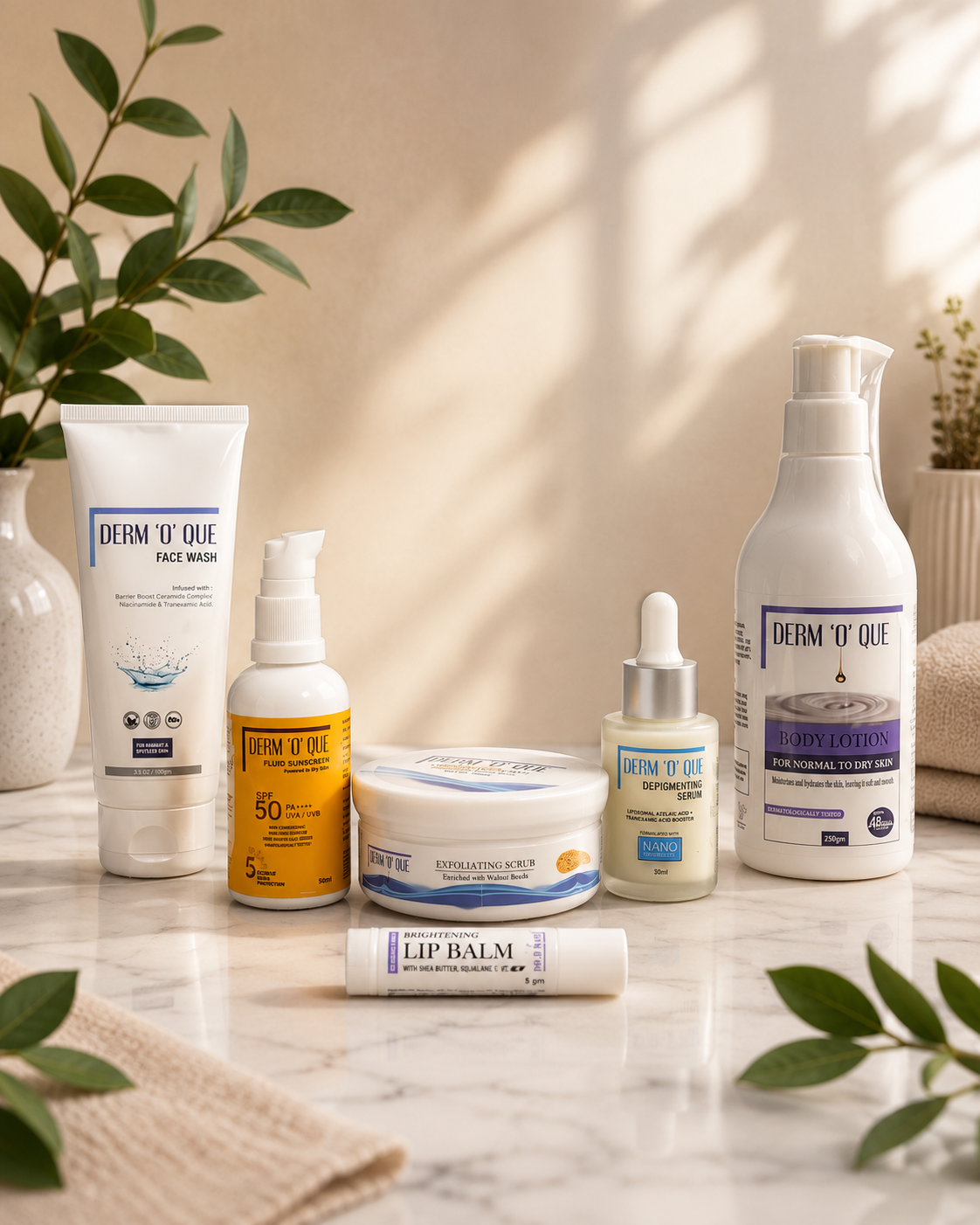
Derm’O’Que Advanced Liposomal Depigmenting Face Serum
For people specifically looking for a serum focused on pigmentation and uneven-looking skin tone, Derm’O’Que Advanced Liposomal Depigmenting Face Serum can be incorporated into a targeted skincare routine.
The serum can be applied after cleansing according to the product's directions and followed with a suitable moisturizer. When used during the day, sunscreen should also be included in the routine.
The important point is to use a pigmentation-focused serum consistently and maintain appropriate sun protection as part of overall skincare.
What Does “Dermatologist Recommended” Mean?
Searches for dermatologist approved skin care products, dermatologist recommended brands, or dermatologist recommended skin care products for acne are common when people are researching skincare.
However, these terms should not automatically be treated as proof that every product carrying similar marketing language has been clinically evaluated or personally recommended by a dermatologist.
When choosing skincare, look beyond marketing terminology. Check the ingredient list, product instructions, intended use, suitability for your skin type, and any available evidence or professional guidance relevant to your concern.
Common Mistakes to Avoid When Using Face Serum
A few simple mistakes can make a skincare routine unnecessarily complicated.
Using too many active products: Layering multiple strong actives may increase the possibility of irritation.
Choosing a serum only because it is popular: A popular product may not be suitable for your specific skin type or concern.
Skipping sunscreen: If pigmentation or dark spots are your concern, daytime sun protection is an important part of the overall routine.
Applying excessive amounts: More product does not automatically mean better results.
Changing products too frequently: Switching between several products makes it difficult to understand how your skin responds to a particular formulation.
Frequently Asked Questions About Face Serum
What is a face serum used for?
A face serum is used to provide targeted skincare based on a specific concern. Depending on its formulation, it may support hydration, brightening, pigmentation care, acne-mark appearance, uneven texture, or visible signs of aging.
Can I use face serum every day?
Some face serums are suitable for daily use, while others are intended for less frequent application. Always follow the instructions for the particular serum and introduce active products gradually.
Which serum is best for dark spots?
A serum specifically formulated for pigmentation or dark spots may be more appropriate than a general hydrating serum. The suitable choice depends on the ingredients, skin type, and cause of the discoloration.
Can I use serum on oily skin?
Yes. People with oily skin can use face serums. Lightweight or non-greasy formulations may be more comfortable, particularly when the rest of the routine is also lightweight.
Can I use face serum on dry skin?
Yes. A hydrating serum can be useful for dry or dehydrated skin. It can generally be followed by a moisturizer to help maintain skin comfort and moisture.
Should I apply serum before or after moisturizer?
In a typical routine, serum is applied before moisturizer. A simple order is cleanser, serum, moisturizer, and sunscreen during the daytime.
Can I use vitamin C and niacinamide together?
Vitamin C and niacinamide can be found together in skincare routines, but compatibility depends on the specific formulations and your skin's tolerance. If you are introducing both products, using them gradually can help you understand how your skin responds.
How long does face serum take to show results?
The timeframe varies according to the serum, ingredients, skin concern, and individual skin. Some hydration-related improvements may be noticed relatively quickly, while concerns such as pigmentation and uneven tone generally require consistent use over a longer period.
Final Thoughts
A face serum can be a useful addition to a skincare routine when it is selected according to your skin type and specific concern. Whether you are looking for a face serum for glowing skin, a serum for dark spots, a pigmentation serum, a vitamin C serum, or a niacinamide serum, the formulation matters more than simply choosing a product described as the “best.”
Start with one clear skincare goal, introduce products gradually, follow the recommended usage, and maintain the basics of cleansing, moisturizing, and daytime sun protection.
For pigmentation-focused routines, Derm’O’Que Advanced Liposomal Depigmenting Face Serum can be considered as one targeted skincare option for incorporating depigmenting care into a consistent routine.


Leave A Feedback