
How to Choose the Right Moisturizer for Your Skin Type
Choosing the right moisturizer is one of the simplest ways to support comfortable, hydrated, and healthy-looking skin. Whether your skin is dry, oily, combination, sensitive, or somewhere in between, regular moisturization can help maintain the skin barrier and reduce the feeling of dryness.
However, choosing a moisturizer is not simply about picking the product with the richest texture or the most ingredients. Your skin type, hydration needs, climate, lifestyle, and preferred texture can all influence which formula feels right for you.
From a moisturizer for dry skin to a lightweight formula for oily skin, understanding what your skin needs can make your daily skincare routine easier and more consistent.
Why Is Moisturizer Important for Your Skin?
Your skin naturally loses water throughout the day. Weather, pollution, air conditioning, frequent cleansing, and changes in humidity can affect how your skin feels.
Using a suitable face moisturizer can help maintain hydration and support the skin's natural protective barrier. Even oily skin can benefit from moisturization because oiliness and dehydration are not the same thing.
The goal is to find a moisturizer that provides comfortable hydration without leaving your skin feeling excessively greasy, heavy, tight, or uncomfortable.
A simple skincare routine can often be:
Cleanse → Serum → Moisturizer → Sunscreen
At night, moisturizer can generally be used as the final step after cleansing and other skincare products.
How to Choose a Moisturizer Based on Your Skin Type
Different skin types can have different hydration needs. Understanding your skin can help you choose a formula and texture that fits your routine.
1. Moisturizer for Dry Skin
Dry skin may feel tight, rough, flaky, or uncomfortable, particularly after cleansing.
A moisturizer for dry skin should provide lasting hydration and help reduce moisture loss. Cream-based or richer formulas may feel more comfortable because they tend to provide a more nourishing layer on the skin.
If your skin frequently feels dry, look for a moisturizer that combines hydrating and moisturizing ingredients and leaves your skin feeling comfortable after application.
When searching for the best moisturizer for dry skin, focus on the formulation and how your skin responds rather than choosing a product solely because it is described as “rich.”
2. Moisturizer for Oily Skin
Oily skin produces more sebum, which can result in shine and a greasy appearance. However, this does not mean that moisturizer should be skipped.
A moisturizer for oily skin can help maintain hydration while a lightweight texture may feel more comfortable.
Gel-based or lightweight lotion formulas are often preferred by people who dislike a heavy feeling on their skin. A non greasy moisturizer can also be useful if you want hydration without an overly rich finish.
If you are concerned about clogged pores, you may also prefer products specifically formulated to be non-comedogenic.
3. Moisturizer for Combination Skin
Combination skin can have both oily and dry areas. For example, the T-zone may appear oilier while the cheeks feel relatively dry.
A lightweight moisturizer for combination skin can provide hydration without making the oilier areas feel excessively heavy.
You can also adjust the amount of product you apply depending on the needs of different areas of your face.
4. Moisturizer for Sensitive Skin
Sensitive skin may be more prone to redness, irritation, stinging, or discomfort.
A moisturizer for sensitive skin should feel gentle and comfortable. If your skin is sensitive, introducing one new product at a time can make it easier to identify how your skin responds.
Patch testing may also be useful when trying a new skincare product, particularly if you have previously experienced irritation.
5. Moisturizer for Normal Skin
Normal skin generally does not feel excessively dry or oily. However, it still benefits from regular hydration.
A lightweight moisturizer for normal skin can be suitable for maintaining comfortable skin throughout the day.
Your choice may also change depending on the season. A lighter formula may feel more comfortable during hot weather, while a richer product may be preferable when the environment becomes cold or dry.
6. Moisturizer for Normal to Dry Skin
If your skin is generally normal but becomes dry in certain seasons or after cleansing, a moisturizer for normal to dry skin can provide a useful balance.
Look for a formula that provides sufficient hydration without feeling unnecessarily heavy.
Your skin's needs can change with weather, age, lifestyle, and skincare habits, so it is normal for the type of moisturizer you prefer to change over time.
Hydrating Moisturizer vs Moisturizing Cream
The words “hydrating” and “moisturizing” are often used interchangeably, but they can describe slightly different functions.
A hydrating moisturizer generally focuses on increasing or maintaining the water content of the skin, while moisturizing products can also contain ingredients that soften the skin and help reduce moisture loss.
A product can provide both hydration and moisturization.
For example, someone with dehydrated skin may prefer a deep hydration moisturizer, while someone with very dry skin may prefer a richer cream that provides both hydration and a more protective moisturizing layer.
The most important factor is how the complete formulation works for your skin.
What Is a Skin Barrier Moisturizer?
The skin barrier is the outermost protective layer of the skin. It helps limit moisture loss and protects the skin from external environmental factors.
A skin barrier moisturizer is generally formulated with ingredients intended to support this protective function.
If your skin frequently feels dry, tight, rough, or uncomfortable, choosing a moisturizer that focuses on hydration and barrier support may be useful.
A skin repair moisturizer may also be marketed toward people who want additional support for dry or compromised-feeling skin. However, persistent irritation or significant skin problems may require advice from a qualified dermatologist rather than relying solely on cosmetic skincare.
Does Moisturizer Texture Matter?
Yes. Texture can have a major effect on how comfortable a moisturizer feels and how consistently you use it.
Creams
Creams are generally richer and can be a comfortable choice for dry or very dry-feeling skin.
Lotions
Lotions are usually lighter than creams and can work well for everyday moisturization.
Gel moisturizers
Gel formulas are typically lightweight and refreshing, which can make them appealing to people with oily or combination skin.
Lightweight moisturizers
A lightweight moisturizer can be useful if you want hydration without a heavy or greasy feeling.
Ultimately, texture is personal. A moisturizer that feels comfortable is often easier to use consistently.
How Climate Can Affect Your Moisturizer Choice
Your skin does not exist in isolation. The environment can affect how it feels.
In hot or humid conditions, a lightweight or non greasy moisturizer may feel more comfortable.
In cold or dry weather, your skin may benefit from a richer formula that provides more lasting moisturization.
Air conditioning can also contribute to a dry-feeling environment. If your skin starts feeling tighter than usual, adjusting your moisturizer or application frequency may help.
When Should You Apply Moisturizer?
For most routines, moisturizer is applied after cleansing and lightweight skincare products such as serums.
A simple daytime routine can be:
Cleanser → Serum → Moisturizer → Sunscreen
At night:
Cleanser → Treatment/Serum → Moisturizer
Applying moisturizer consistently can help make hydration a regular part of your skincare routine.
If your skin feels dry during the day, you may also adjust your routine according to your individual needs.
How to Choose a Daily Moisturizer
A daily moisturizer should be comfortable enough to use regularly and should fit naturally into your skincare routine.
When choosing a daily face moisturizer, consider:
- Your skin type
- Your preferred texture
- Your climate
- How your skin feels after cleansing
- Whether you need additional barrier support
- Whether you prefer a lightweight or richer formula
The best face moisturizer is not necessarily the most expensive or most heavily marketed product. It is the one whose formulation suits your skin and that you can comfortably use as part of your routine.
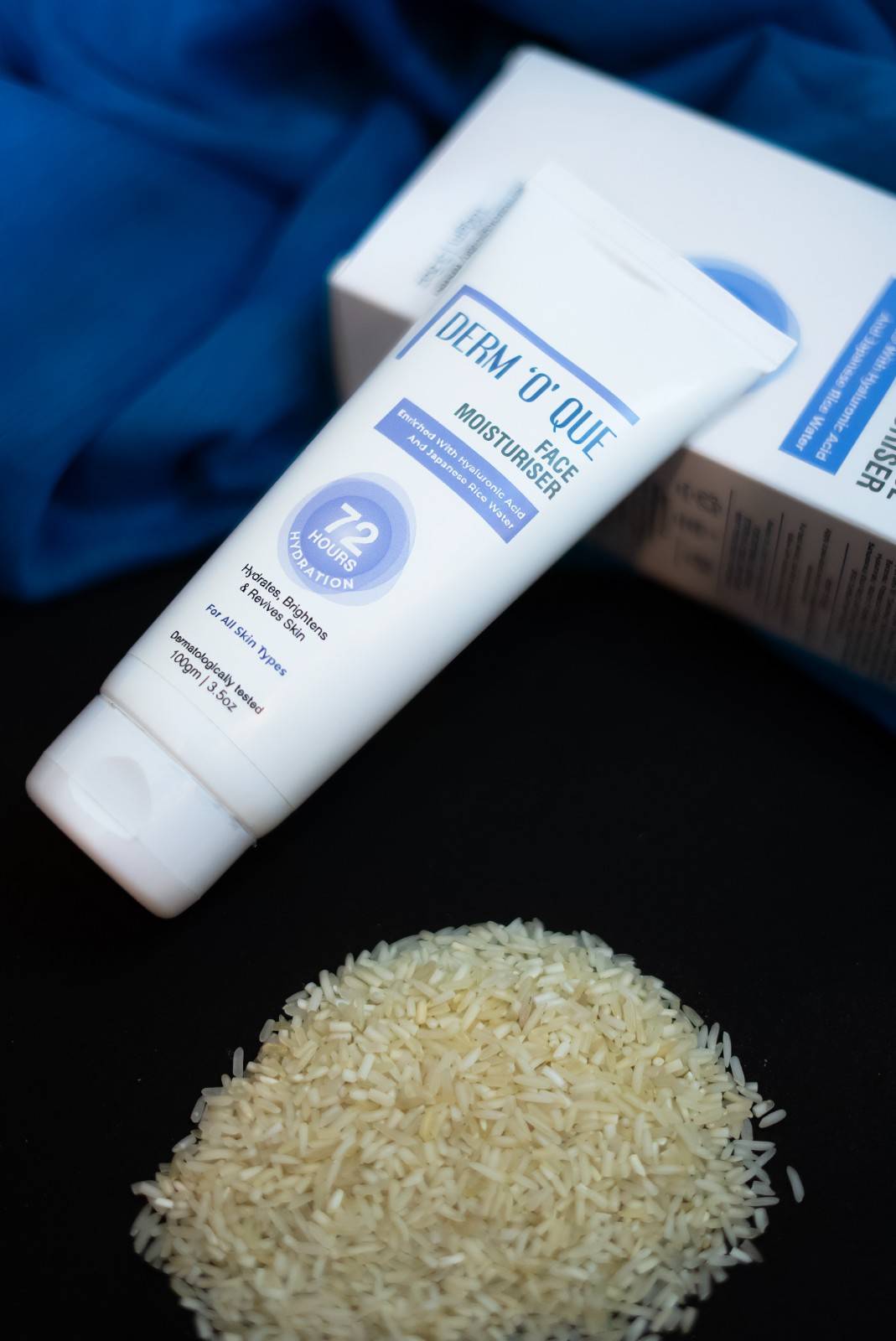
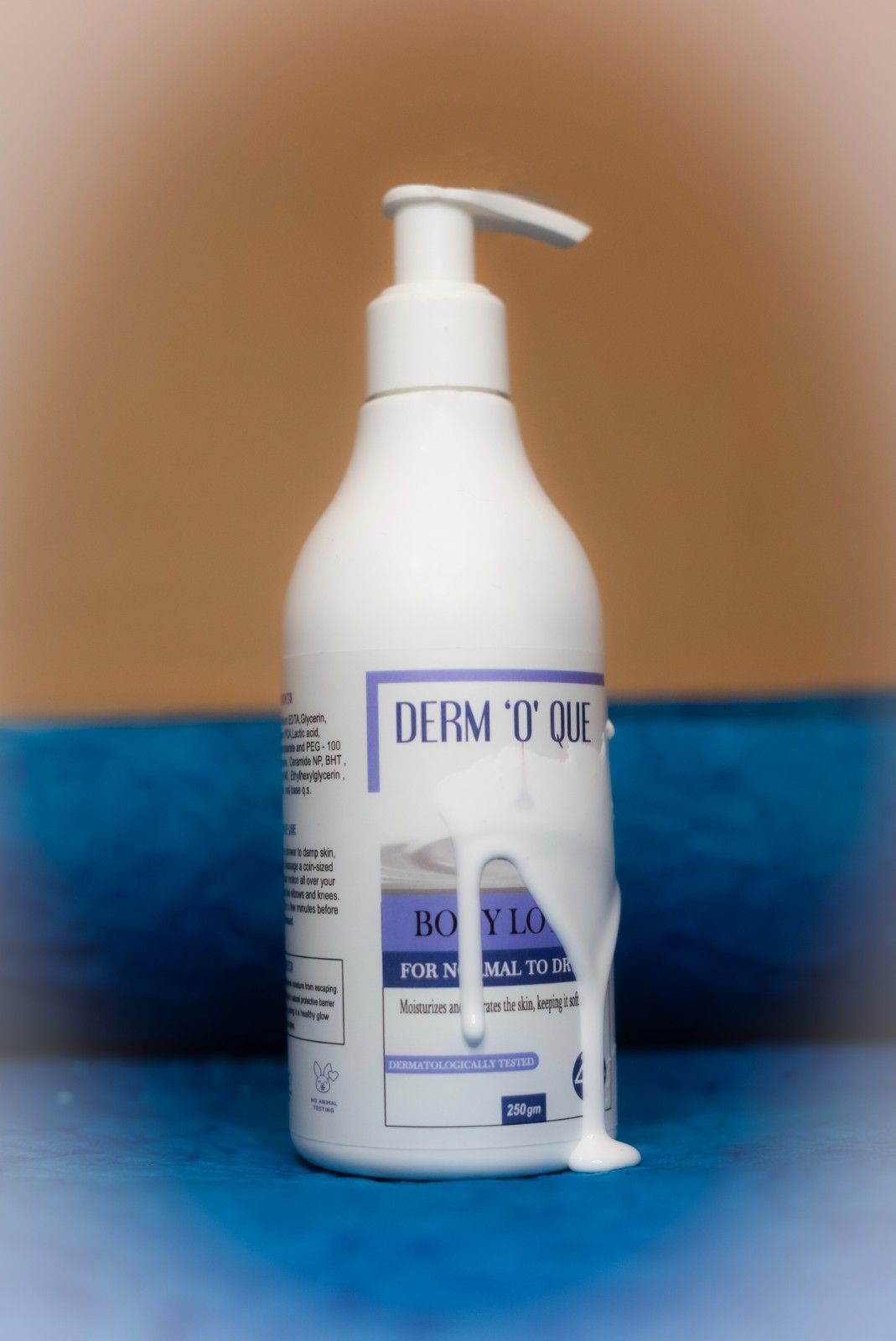
Dermo'Que Barrier Lock Hydrating Moisturiser
Dermo'Que Barrier Lock Hydrating Moisturiser is designed around everyday hydration and skin-barrier care.
It can be incorporated into a simple daily skincare routine after cleansing and serum application. For people looking for a hydrating moisturizer that can become part of their regular routine, maintaining consistent moisturization is an important part of overall skincare.
You can use a moisturizer according to your individual skin needs and follow it with sunscreen during the daytime.
What About “Dermatologist Recommended” Skincare?
You may come across searches such as dermatologist recommended brands, dermatologist approved skin care brands, or dermatologist approved skin care products when researching moisturizers.
However, these phrases should not automatically be treated as proof that a particular product is suitable for everyone.
A dermatologist's recommendation can depend on an individual's skin type, concerns, medical history, and specific needs. A product that works well for one person may not necessarily be the right choice for another.
When evaluating skincare, look at the ingredients, formulation, intended use, and how your skin responds.
For specific concerns such as persistent acne, severe dryness, recurring irritation, or signs of a skin condition, professional advice can be more appropriate than relying on general product recommendations.
Common Moisturizer Mistakes to Avoid
Skipping moisturizer because your skin is oily
Oily skin still needs hydration. Instead of avoiding moisturizer altogether, consider a lightweight formula.
Choosing a product only because it is labelled “best”
There is no universally best moisturizer for every skin type. What works for dry skin may feel too heavy for oily skin.
Using too much product
More moisturizer does not necessarily mean better hydration. Start with an appropriate amount and adjust according to how your skin feels.
Changing products too frequently
Constantly switching products can make it difficult to understand what works for your skin. Give a suitable routine time to become consistent unless irritation occurs.
Ignoring sunscreen
Moisturizer does not replace sunscreen. During the day, use a suitable sunscreen after your moisturizer when UV protection is needed.
Frequently Asked Questions
What is the best moisturizer for dry skin?
The best moisturizer for dry skin depends on the individual's needs and how their skin responds. Generally, dry skin may feel more comfortable with a richer formula that provides lasting moisturization and supports the skin barrier.
Can oily skin use moisturizer?
Yes. Oily skin still needs hydration. A moisturizer for oily skin with a lightweight texture may feel more comfortable than a rich cream.
What is the best face moisturizer?
There is no single best face moisturizer for everyone. The right choice depends on skin type, hydration needs, texture preference, climate, and individual concerns.
How often should I use moisturizer?
A daily moisturizer can generally be used once or twice a day depending on your skin's needs and the product's directions.
What is a hydrating moisturizer?
A hydrating moisturizer is designed to help maintain or increase the skin's water content. Many moisturizers combine hydration with ingredients that help soften the skin and reduce moisture loss.
Can I use moisturizer if I have sensitive skin?
Yes. Choose a gentle moisturizer for sensitive skin that feels comfortable. If you are prone to reactions, patch testing a new product may be useful.
What moisturizer is suitable for combination skin?
A lightweight moisturizer for combination skin can provide hydration without making oilier areas feel excessively heavy. You can also adjust the amount used on different parts of your face.
Should I moisturize before sunscreen?
Generally, moisturizer can be applied first, followed by sunscreen during the daytime. Sunscreen should be the final skincare step before makeup when applicable.
What is a skin barrier moisturizer?
A skin barrier moisturizer is a moisturizer formulated to support the skin's protective barrier and help maintain comfortable hydration.
Can moisturizer help dehydrated skin?
A suitable moisturizer for dehydrated skin can help support skin hydration. Look for a formulation that provides hydration and helps reduce moisture loss.
Final Thoughts
Choosing the right moisturizer does not have to be complicated. Start by understanding your skin type, consider the texture you are comfortable using, and choose a formula that fits your daily routine.
Whether you need a moisturizer for dry skin, a lightweight option for oily skin, a moisturizer for combination skin, or a gentle formula for sensitive skin, the goal is the same: comfortable, consistent hydration.
Dermo'Que Barrier Lock Hydrating Moisturiser can be incorporated into a daily skincare routine focused on hydration and skin-barrier care. The most important step is to choose a moisturizer that suits your individual needs and use it consistently.
Leave A Feedback